Just How Ai-Driven Solutions Are Transforming Expert Hazard Avoidance and Compliance in the Work environment
In today's electronic landscape, expert dangers present considerable dangers to organizations. AI-driven solutions are becoming pivotal devices in addressing these challenges. By utilizing advanced analytics and real-time monitoring, these technologies enhance threat detection and improve compliance management. As firms take on these innovative techniques, the improvement of workplace safety ends up being evident. The ramifications of this shift raise essential inquiries concerning the future of organizational security and worker privacy.
Recognizing Expert Threats: The Expanding Danger in Modern Workplaces
As organizations significantly count on electronic systems to handle sensitive information, the threat of expert risks has actually come to be a pressing concern. Expert risks can arise from workers, contractors, or business partners that exploit their access to sensitive information for harmful objectives. These hazards are particularly testing to alleviate due to the trust fundamental in employer-employee relationships.
Motivations for expert risks vary from financial gain and individual grievances to ideological beliefs. The effects of such breaches can be extreme, including monetary loss, reputational damages, and legal consequences. Recognizing prospective expert dangers is made complex by the subtle nature of their activities, which often mix flawlessly with normal service procedures.
Organizations should focus on extensive safety training and cultivate a culture of responsibility to deal with these threats. By understanding the different kinds of expert threats and their motivations, business can much better prepare to implement effective preventative procedures and secure their delicate details.
The Duty of AI in Enhancing Risk Discovery
AI plays an essential function in improving danger detection with the execution of predictive analytics and behavioral pattern acknowledgment. By evaluating vast amounts of information, AI systems can recognize anomalies that may indicate possible expert hazards. This aggressive technique permits organizations to react promptly to risks before they intensify.
Anticipating Analytics Execution
While companies increasingly depend on electronic properties, the potential for insider risks stays a substantial concern. Anticipating analytics execution plays a crucial function in addressing this issue by leveraging historical data to forecast potential risks. Insider threats. By examining fads and patterns, companies can recognize abnormalities that might show destructive intent or high-risk actions amongst staff members. These innovative AI-driven systems make use of equipment understanding formulas to improve their anticipating abilities gradually, adjusting to new data inputs and developing threat landscapes. Furthermore, the proactive nature of anticipating analytics enables organizations to take preemptive procedures, thus reducing the risk of information breaches or compliance violations. Inevitably, the integration of predictive analytics enhances an organization's total protection pose and supports a more resistant office atmosphere
Behavioral Pattern Acknowledgment
Comprehending and recognizing behavior patterns is crucial for improving risk discovery within organizations. AI-driven solutions utilize progressed formulas to assess substantial quantities of data, recognizing uncommon actions indicative of potential insider risks. By constantly keeping track of worker activities, these systems can identify variances from established patterns, such as transformed access to delicate info or irregular communication actions. This positive approach assists in early treatment, mitigating dangers before they intensify right into considerable security violations. Additionally, AI boosts the accuracy of danger discovery by lessening false positives, permitting safety and security groups to focus on authentic issues. As organizations progressively embrace AI modern technologies, the combination of behavior pattern acknowledgment will play an important function in strengthening general safety and security and compliance structures.
Proactive Conformity Management Through AI Analytics
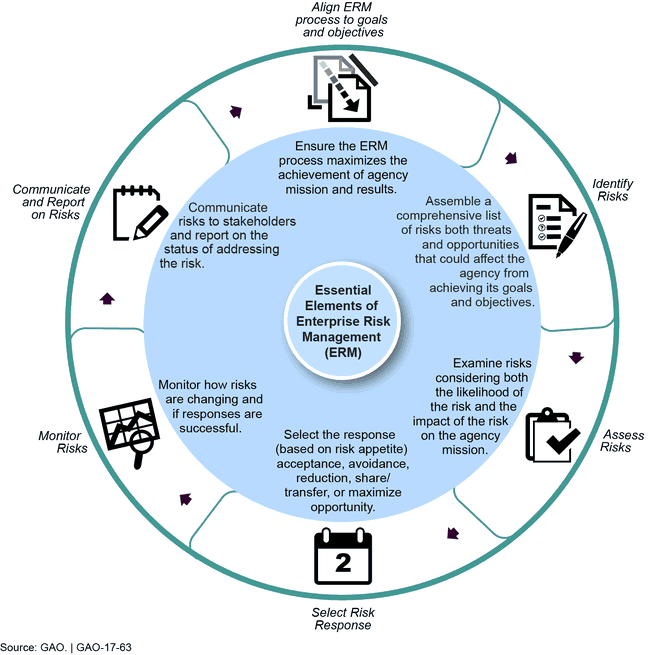
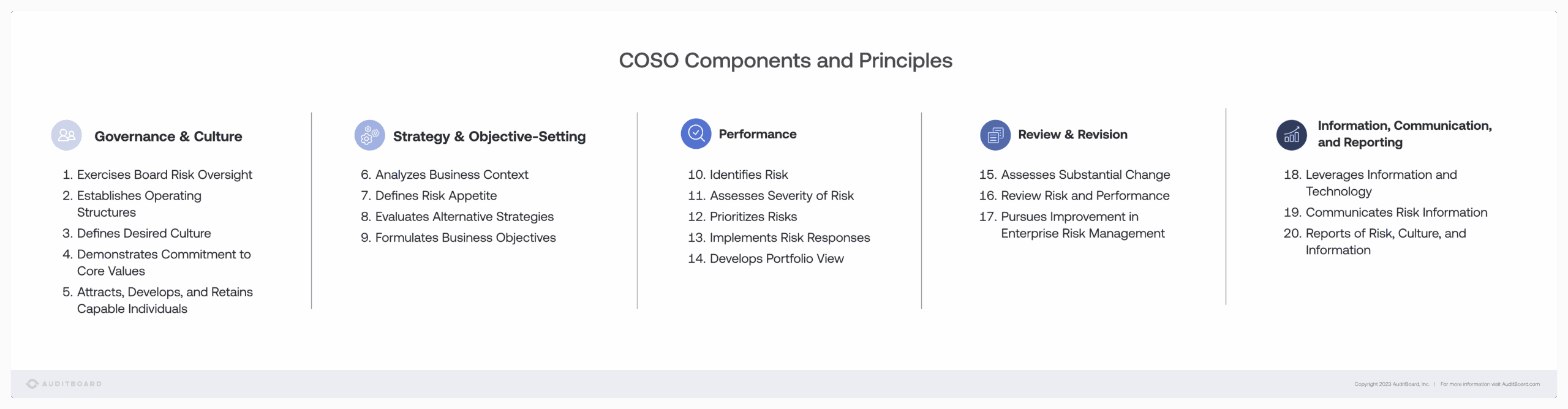
As companies navigate progressively intricate regulative landscapes, aggressive compliance management through AI analytics arises as an essential strategy. AI-driven remedies facilitate the automation of compliance processes, enabling organizations to determine and resolve possible risks before they escalate (Insider threats). By evaluating big volumes of data, these systems can uncover patterns and anomalies that might show compliance breaches or insider risks
Moreover, AI analytics enhance the efficiency of compliance training programs by tailoring web content to details staff member actions and threat elements. This individualized technique assurances that conformity training is both relevant and interesting, promoting a society of liability within the company.
Additionally, AI devices can enhance reporting and documentation, reducing the administrative problem on compliance teams. By giving anticipating analytics and real-time insights, organizations can remain ahead of regulatory adjustments and preserve a durable compliance pose, inevitably minimizing the risk of pricey infractions and improving overall work environment safety and security.
Real-Time Surveillance and Response Abilities
Effective conformity administration establishes the foundation for durable safety and security measures, however the dynamic nature of insider threats demands real-time monitoring and action capabilities. Organizations are significantly leveraging AI-driven options to keep constant security of individual actions and system activities. This aggressive approach enables for the immediate identification of abnormalities that may suggest potential insider dangers.
Real-time monitoring systems use innovative algorithms to analyze huge quantities of data, allowing organizations to detect questionable tasks as they take place. When abnormal patterns are determined, automated signals can trigger immediate reactions, such as limiting access or initiating examinations. This speedy activity minimizes prospective damages and warranties that companies can attend to hazards promptly.
Incorporating these capabilities within compliance frameworks improves overall safety pose, straightening with regulative needs while shielding delicate info. Ultimately, real-time monitoring and response capabilities are vital for fostering a secure workplace setting in a period of advancing expert dangers.
Developing a Culture of Safety And Security Awareness
A solid society of safety and security awareness is important for organizations intending to reduce insider threats properly. This society cultivates an environment where staff members recognize the significance of information security and their role in shielding sensitive information. Organizations can accomplish this by executing comprehensive training programs that educate team on acknowledging potential hazards and adhering to security Click Here methods.
Routine interaction regarding security plans, updates, and best techniques likewise enhances the value of vigilance. Urging open dialogue regarding security worries empowers employees to report dubious activities without anxiety of repercussions.
Furthermore, companies ought to identify and reward proactive actions pertaining to safety and security, which can enhance engagement. By integrating safety recognition into day-to-day regimens, companies grow a workforce that prioritizes safety, ultimately reducing the likelihood of expert threats. A committed approach to constructing this culture not just safeguards organizational assets however likewise contributes to compliance with regulatory requirements.

Situation Studies: Successful Implementation of AI-Driven Solutions
The assimilation of AI-driven options in organizations has verified to be a transformative approach to combating insider risks. One noteworthy situation research involves a banks that applied an AI-based tracking system to analyze worker actions. By using artificial intelligence algorithms, the system spotted anomalies in data gain access to patterns, permitting the company to determine prospective insider dangers before any significant damages took place.
One more instance is a modern technology firm that adopted AI-driven analytics to enhance its conformity initiatives. This option enabled the firm to automate the review of information and communications sharing, guaranteeing adherence to governing requirements while reducing human error.
Both study highlight the effectiveness of AI in supplying real-time insights and positive steps versus expert risks, demonstrating that companies can substantially strengthen their protection pose through innovative modern technology. These executions not only safeguard delicate details however likewise foster a culture of compliance and caution.
Future Trends in Insider Hazard Avoidance and Compliance
As companies progressively identify the worth of AI-driven remedies in reducing expert threats, interest is moving towards future fads that will certainly form avoidance approaches and compliance frameworks. One substantial trend is the integration of advanced machine finding out formulas with the ability of adjusting to progressing risks in real-time. This versatility permits organizations to preemptively identify dangerous actions before they rise into protection events.
Additionally, the focus on information personal privacy and ethical AI use is expected to grow, with frameworks emerging to guarantee conformity with regulations like GDPR and CCPA. Organizations will likely adopt more complete training programs to enlighten workers concerning prospective dangers, promoting an aggressive safety society.
Furthermore, the collaboration in between AI tools and human insight will come to be vital, as crossbreed versions take advantage weblink of the staminas of both technology and human intuition. Insider threats. Generally, these patterns will develop a more resistant landscape for insider danger prevention and conformity, boosting organizational safety in the digital age
Regularly Asked Inquiries
Exactly How Do AI Solutions Integrate With Existing Safety And Security Systems?
AI options flawlessly integrate with existing protection systems by analyzing information from different resources, improving danger discovery capabilities, and enhancing you can find out more case action. This combination permits companies to bolster their security position and improve compliance efforts effectively.
What Industries Benefit Most From Ai-Driven Expert Danger Avoidance?
Exactly How Can Workers Report Suspicious Habits Without Worry?
Employees can report questionable actions without worry by utilizing anonymous coverage channels, making certain confidentiality, and fostering an encouraging office society that emphasizes safety and security and accountability. This encourages open communication and count on amongst all employee.
What Are the Prices Connected With Carrying Out AI Solutions?
The expenses linked with executing AI options include software licensing, framework upgrades, recurring maintenance, personnel training, and prospective assimilation expenses, which can differ considerably depending upon the organization's dimension and specific needs of the technology.
How Typically Should AI Systems Be Upgraded for Effectiveness?
AI systems need to be updated routinely, preferably every few months, to ensure efficiency. Constant improvements in modern technology and evolving hazards demand these updates to preserve importance and boost the system's ability to stop insider threats.
Efficient conformity management sets the structure for robust safety and security actions, however the vibrant nature of expert threats necessitates real-time tracking and feedback abilities. A strong culture of security awareness is important for companies intending to minimize expert dangers efficiently. By integrating safety and security understanding into day-to-day routines, companies cultivate a labor force that focuses on safety, eventually minimizing the probability of insider risks. Both case studies highlight the efficiency of AI in supplying real-time insights and proactive measures versus expert risks, demonstrating that companies can substantially boost their safety and security posture via ingenious innovation. As organizations significantly acknowledge the value of AI-driven remedies in alleviating insider hazards, interest is shifting towards future patterns that will form prevention approaches and compliance frameworks.